Challenge
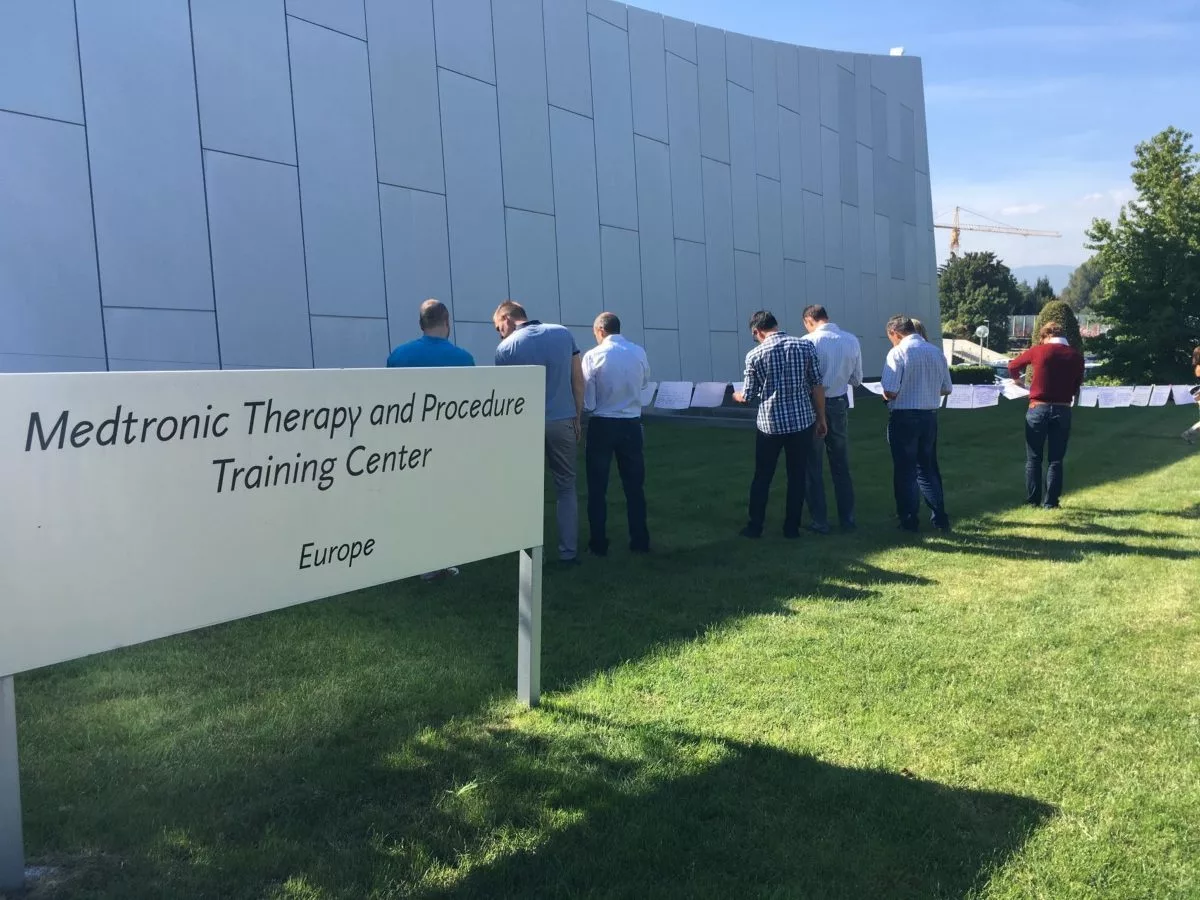
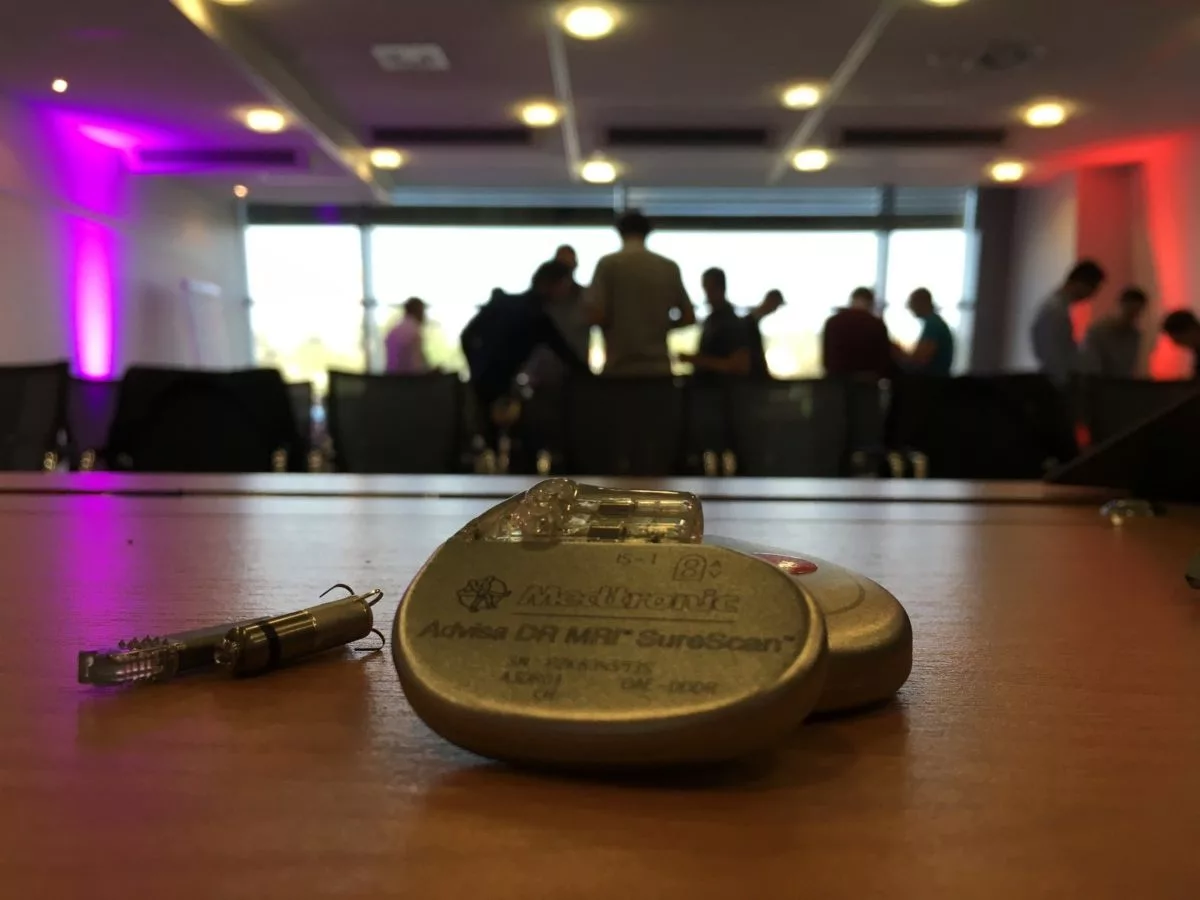
Active in more than 160 countries, with 85,000 employees and 84 production sites, the company designs production machines and ships them to its sites around the world. The medical sector faces growing requirements to standardise the design of new machines. These requirements slow down machine development, so management set an ambitious goal: halve development time, that is, design machines and roll them out at sites around the world in half the time.
How it worked
Step 1
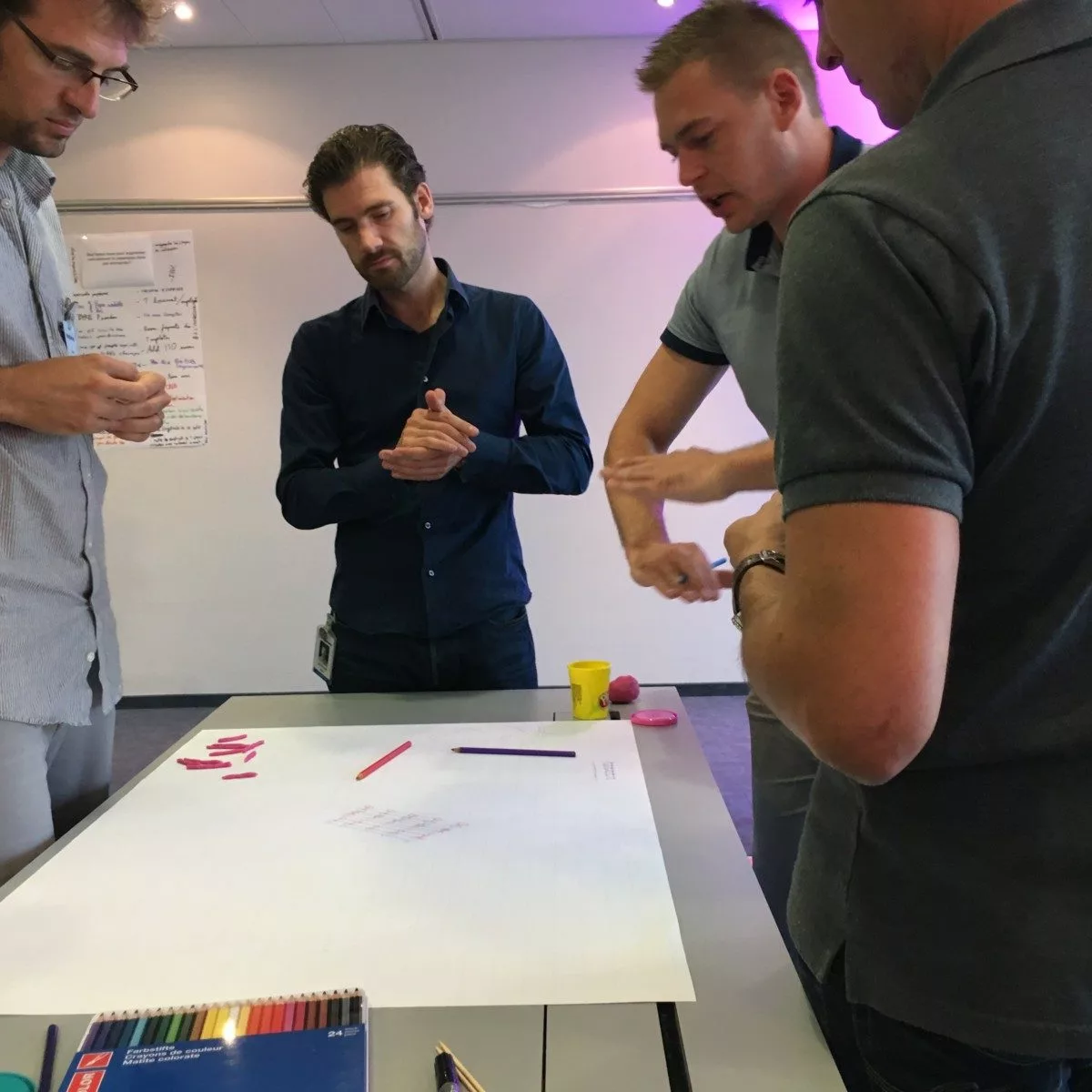
Think2Make’s two-person team went on site to survey and gather data on how things currently work. To understand the modus operandi of the in-house innovation teams, the team carried out non-participant observation within the company. All this data was analysed to extract the main lines of reflection and transformation: collaboration, standardisation, organisation.
Step 2
With the agreement of the project committee, Think2Make recruited experts from outside the company through its wide network. The aim was to mix perspectives to encourage innovative solutions. Lateral thinkers were invited from the following fields:
- Industrialisation: Technical Director at Willemin-Macodel
- IT: Product Owner at Liip
- Intrapreneurship: Innovation Manager at LEMO SA
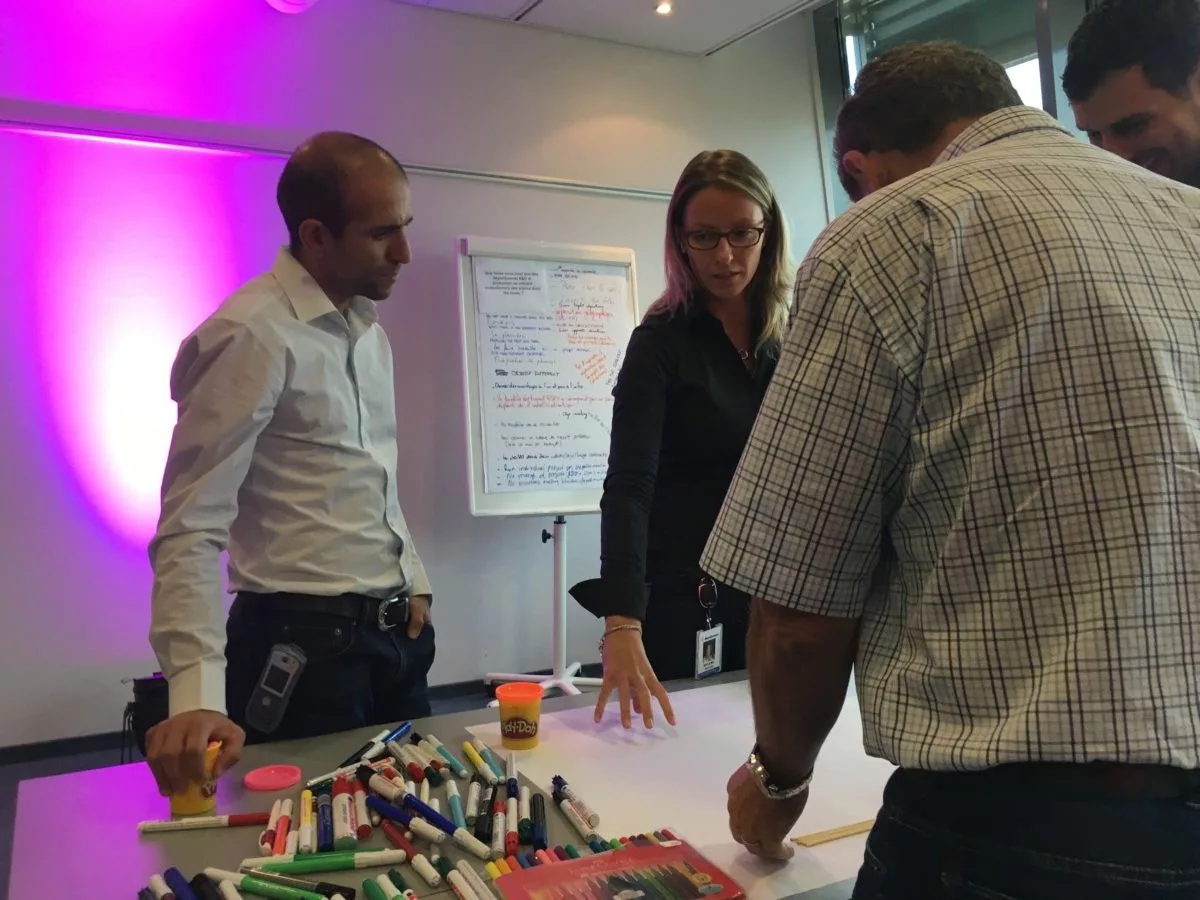
All internal and external participants were invited to an exploratory innovation day. Based on the data gathered in step 1, the day was built in three phases (divergence, emergence, convergence). Sample questions:
- “What would you do to drastically increase the paperwork in a company?”
- “What would you do to make the R&D and production departments put spokes in each other’s wheels?”
- “What would a standardised machine, working method or team (a company culture), etc., look like?”
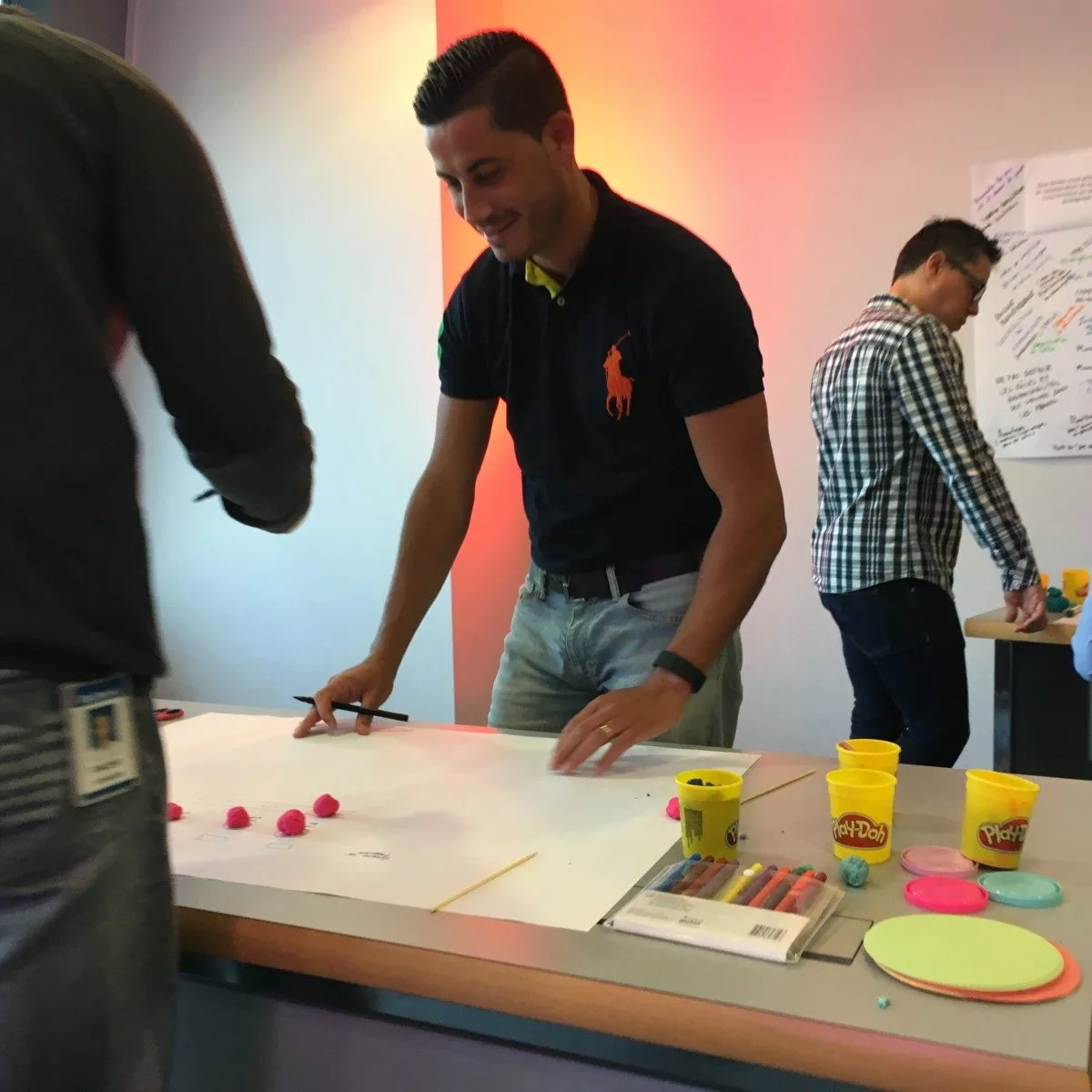
Each exercise involves one to five operations (questions and artefacts). Participants imagined solutions with modelling clay (IdeaShaping) or creatively redefined the company’s value stream (collaborative value stream mapping).
All the raw ideas gathered were presented in different forms to encourage participants to develop idea-concepts in the emergence phase. Idea-concepts are developed in a slower frame of mind, where participants can take time to elaborate. An idea-concept is defined by a title and a description.
Step 3
Participants then analysed the ideas produced and validated the most promising solutions. Ideas are highly emotional: evaluating them means taking both rational and emotional aspects into account. Think2Make has a wide range of tools to evaluate and analyse ideas from every angle.
Step 4
All the solutions were evaluated and validated by the management committee in an ex cathedra session, and the committee drew up an implementation map for the next five years.
Results
The whole process the teams followed made it possible to:
- identify the main innovation bottlenecks
- analyse the company’s challenges from different angles and through different lenses (lateral thinkers)
- generate more than 50 solutions collaboratively
- validate with management a five-year strategic roadmap for developing medical-industrial machines